
A report from the Pennsylvania Department of Environmental Protection (DEP) found there was no significant risk to human health from radium in leachate found in all 49 of the state’s landfills.
The multi-year study looked at all of the landfills and found that none of them had results exceeding federal Nuclear Regulatory Commission (NRC) standards. Federal standards limit radium discharges to 600 picocuries per liter (pCi/L) for industrial facilities. Officials said the study reinforces prior DEP studies that found no threat to drinking water or surface water of radioactive material in water discharged from wastewater treatment facilities.
“Pennsylvania is a national leader when it comes to regulating radioactive materials in landfills. We were the first state in the nation to require monitoring of waste as it enters a landfill and this study is the result of rigorous testing of every landfill in the state, with secondary confirmatory analysis to make sure that the results were accurate,” DEP Secretary Jessica Shirley said. “The takeaway here is that there is no risk to human health from radiation in landfill leachate.”
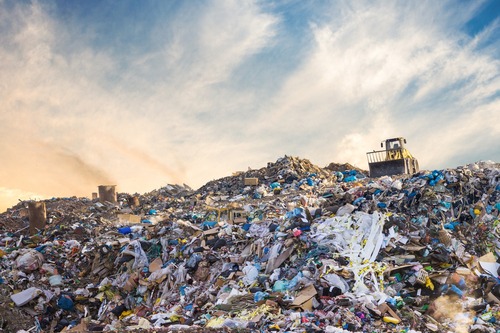
Landfill leachate is rainwater that falls on landfills and filters through accumulated waste, and is collected for on-site treatment or for processing at a treatment facility before being discharged into a stream or river
In 2021, then-Attorney General Josh Shapiro urged DEP to begin a new comprehensive leachate testing study at Pennsylvania landfills. Eight quarters of sample results of raw, untreated leachate were analyzed to measure radioactivity. The analyses showed none of the landfills in the state exceeded the annual average NRC standards, and in most cases were far lower. Only 11 had radium levels above the U.S. Environmental Protection Agency’s 5 pCi/L limit for drinking water, even though raw, untreated leachate is not considered drinking water.